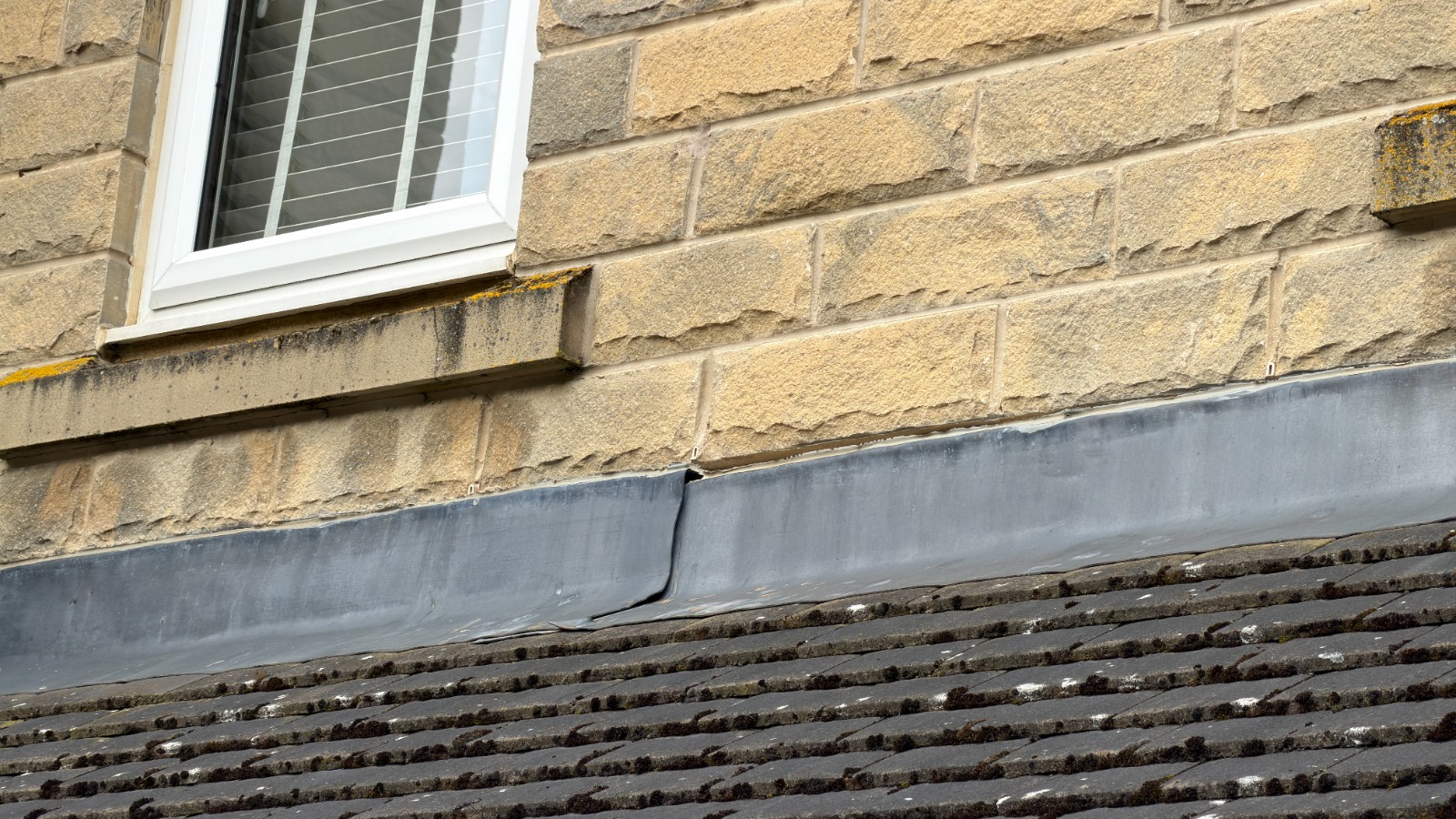
Lead flashing is one of the most important details on a roof, but it is also one of the easiest to overlook. It is designed to protect vulnerable joints where the roof meets walls, chimneys, dormers and other roof details. When it starts to fail, water can get in around these junctions and cause staining, damp patches and more serious roofing problems over time.
For homeowners in Bradford, Halifax and across West Yorkshire, lead flashing issues are a common cause of roof leaks. Knowing what flashing does, how it fails and what signs to watch for can help you act before the damage becomes more expensive.
What Lead Flashing Actually Does
Lead flashing is used to seal joints and protect areas where water could otherwise enter the roof structure. These are often the weak points of a roof because rainwater naturally runs toward them.
Lead flashing is commonly found:
- Around chimney stacks
- Where a roof meets a wall
- Around dormers
- At abutments and roof junctions
- Near gullies and other detailed roof areas
Without properly installed flashing, these areas are far more vulnerable to water ingress.
Why Lead Flashing Fails Over Time
Lead is durable, but it is not immune to age, movement and poor detailing. Over time, flashing can begin to split, lift, crack or loosen. In other cases, older repairs or sealant-based fixes may start to fail and allow water in.
Common reasons flashing fails include:
- Age-related wear
- Poor installation
- Movement in the roof or masonry
- Badly dressed lead
- Failed joints or poor sealing
- Previous patch repairs that have not lasted
The Warning Signs Homeowners Should Look For
Flashing problems are not always obvious from the ground, but there are several signs that may point to an issue.
Look out for:
- Damp patches on ceilings or walls
- Staining near chimney breasts
- Recurring leaks during heavy rain
- Visible lifting or splitting in the lead
- Gaps where flashing meets masonry
- Signs of water around dormers or roof junctions
If these signs keep appearing, the flashing may need more than just a quick patch.
Why Water Ingress Around Flashing Gets Worse Over Time
One of the biggest problems with failed flashing is that water can track a long way before becoming visible indoors. That means the stain you see inside may not be directly below the actual defect.
This can lead to:
- Hidden moisture in the roof structure
- Damage to plaster and decoration
- Worsening damp during wet weather
- Repeat leaks if the real cause is missed
That is why flashing problems should always be looked at properly rather than guessed at from inside the house alone.
Repair or Full Renewal?
Some flashing issues can be repaired if the defect is small and isolated. However, where the lead is badly worn, split, poorly fixed or generally deteriorated, proper renewal is often the better long-term solution.
Renewing flashing correctly means:
- Removing defective leadwork
- Preparing the joint properly
- Dressing and fixing new lead neatly
- Leaving the area weather-tight and secure
A proper repair is usually far more reliable than repeated short-term patching.
Common Areas Where Lead Flashing Problems Appear
Lead flashing issues often show up in the same types of places across many properties. These include:
- Older chimney stacks
- Side roof abutments
- Dormer edges
- Gulley details
- Areas previously patched with sealant
If your property has older roof details, it is worth keeping an eye on these areas over time.
Pro Tip: Water stains near chimneys, roof junctions or dormers often point to an issue with flashing or surrounding details. Even if the roof coverings themselves look fine, the junctions may still be letting water in.
Key Takeaways
- Lead flashing protects the most vulnerable joints on a roof
- Age, movement and poor detailing can all cause flashing to fail
- Damp patches inside may be linked to flashing problems outside
- Water can travel before it shows up indoors
- Proper renewal is often better than repeated temporary patching
If you think your property may have an issue with lead flashing, Crossley Roofing can help with leadwork repairs and roofing solutions across Bradford, Halifax and surrounding areas.